Most online problems start with a small mistake, not clever hacking. These five habits stop a large share of them.
1. Use a different password for important accounts
If one website is breached, criminals try the same password everywhere else. Use a long password made of several words, and never reuse your email password.
2. Turn on two-step verification
Add a code sent to your phone for your email, mobile money and social media accounts. Even if someone learns your password, they cannot get in.
3. Be careful with links and messages
- Be suspicious of messages that create panic or promise free money.
- Do not share your PIN or one-time codes with anyone, even someone who says they are from a bank or a network company.
- Check the address of a website before you type a password.
4. Keep your software updated
Updates fix security holes. Install them on your phone, computer and browser.
5. Back up what matters
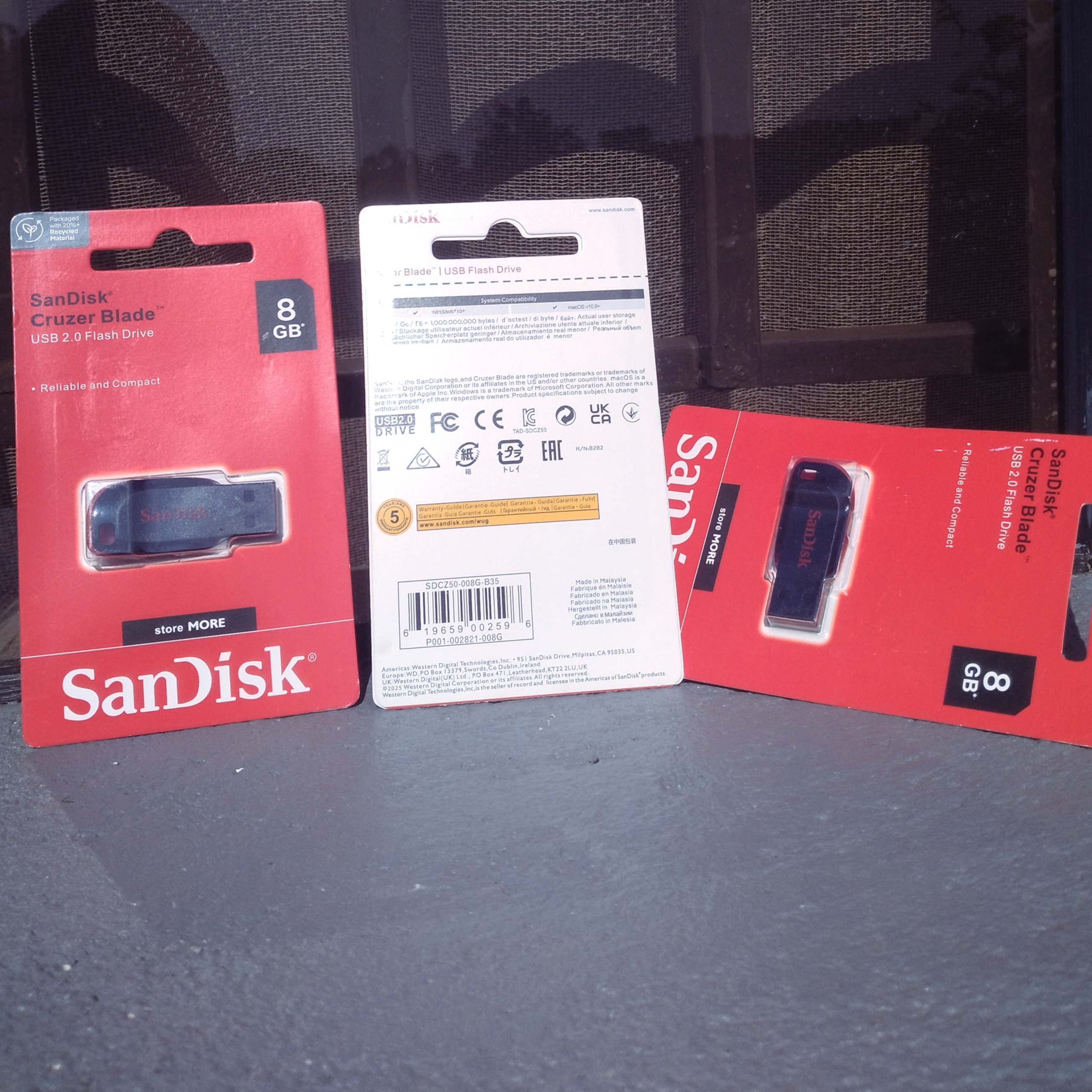
Keep a copy of important files on a flash disk or in the cloud, so a lost phone or a virus does not mean lost work.
Want to learn more?
We run hands-on computer and digital skills training for students, staff and beginners. Read about our services.